The climate crisis is not a scientific issue; it’s human. While data and policy are crucial, art offers a unique and powerful way of engaging with the topic on an emotional and deeper level. With visual narrative, artists can break down intricate scientific concepts into engaging narratives and invoke sorely needed cultural dialogue. Their ways are a reflection of our hopes and anxieties, forcing us to confront the reality of ecological change and visualize an alternative path.
Exploring Global Digital Environmental Exhibitions
Virtual exhibition spaces are changing how we experience art, enabling us to present environmental art to the world without the carbon footprint of physical galleries. Online art galleries are now being used as platforms for artists to present their work with an emphasis on the environment. Two prime examples of this new curatorial movement follow:
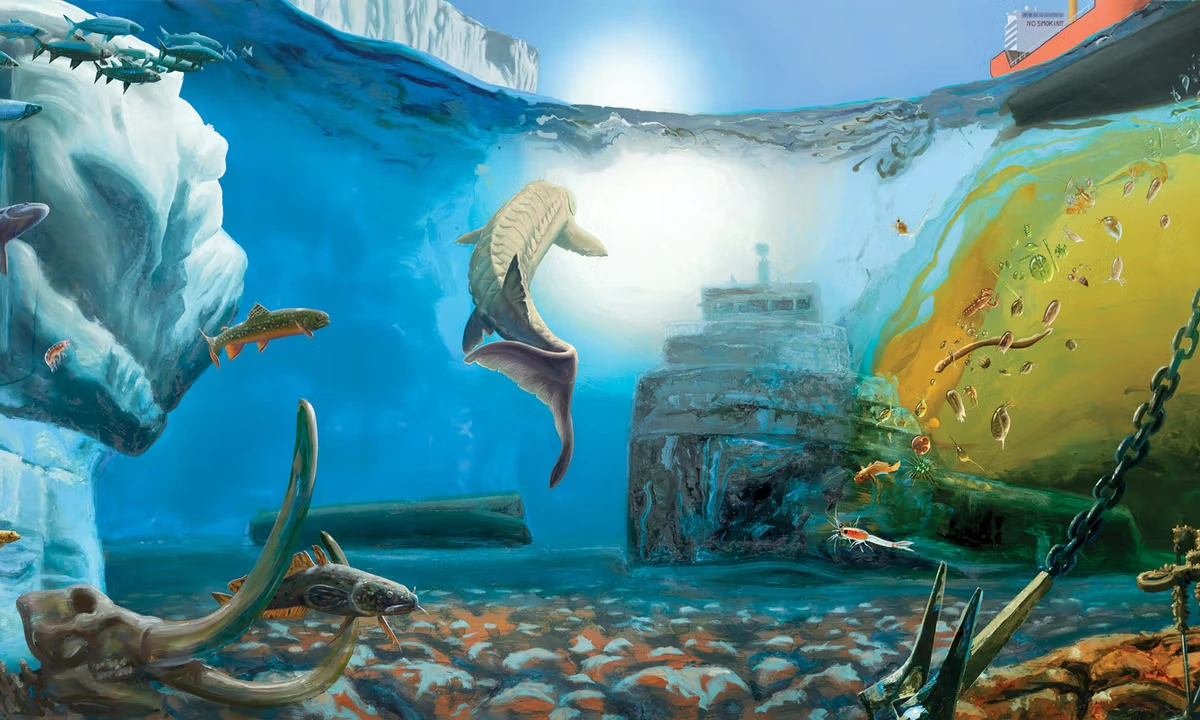
“Back to Earth” at the Serpentine Gallery: From 2019 to 2020, this ambitious series of exhibitions was a landmark demonstration of how one of Britain’s great institutions had made itself over to the climate emergency. The gallery in London commissioned artists, architects, and designers to create works in response to the climate emergency. The exhibition was not confined to the gallery walls; its projects spilled out into public space, digital media, and education projects. It was the signpost for a new generation of institutional practice with an ecological emphasis.
The Art Programme at the UN Climate Change Conference (COP): The UN Climate Change Conference (COP) annually features an array of art exhibits and installations specifically connected to climate policy and science. For example, at COP26 in Glasgow, artists displayed works that graphically represented climate data and outlined artistic solutions for environmental issues. These exhibitions are not just show; they are a powerful diplomatic instrument and a platform for advocacy, bringing an emotional and human touch to the otherwise technical negotiations.
Contemporary Eco-Art Pioneers
Today, a new class of artists is dedicated to creating pieces that are not only beautiful, but deeply impactful. Their work has a tendency to blur the boundaries between art and activism, highlighting the interconnectedness of our world. These trailblazing eco-artists are using an entire range of mediums—to repurposed goods, huge-scale land art, and all the rest—to get their message across.

Christo and Jeanne-Claude
Known for their large-scale, temporary outdoor installations that often highlight the relationship between man-made structures and the natural landscape.
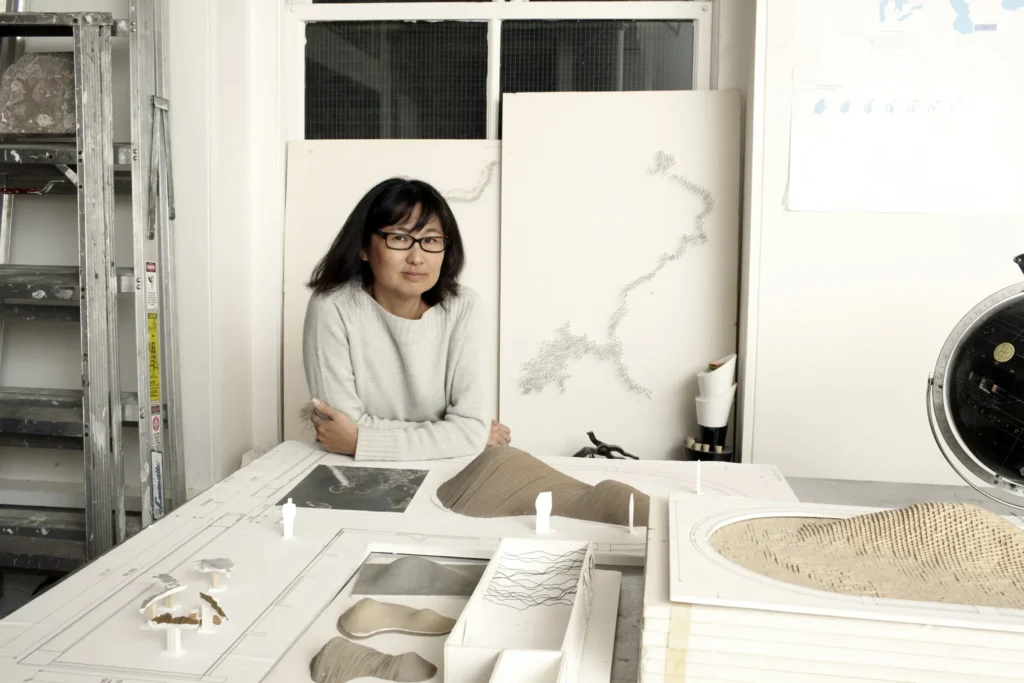
Maya Lin
An artist and architect whose work focuses on the environment, exploring her connection to nature and her passion for conservation through projects like her “What is Missing?” memorial.
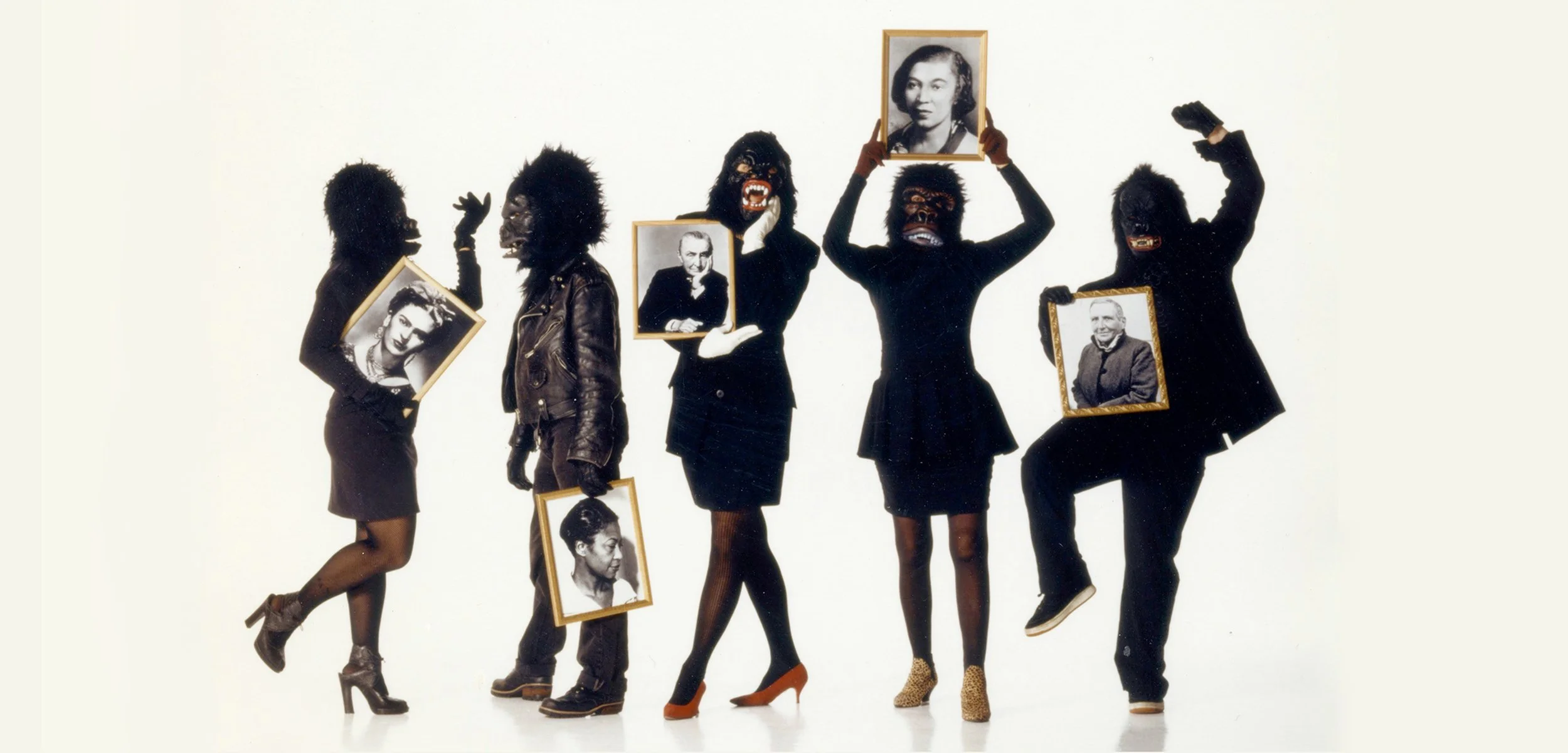
Guerilla Girls
An anonymous collective that, while known for feminist art, also tackles environmental issues, using their signature protest style to highlight the lack of representation of climate issues in mainstream art.
The Art of a Changing Climate
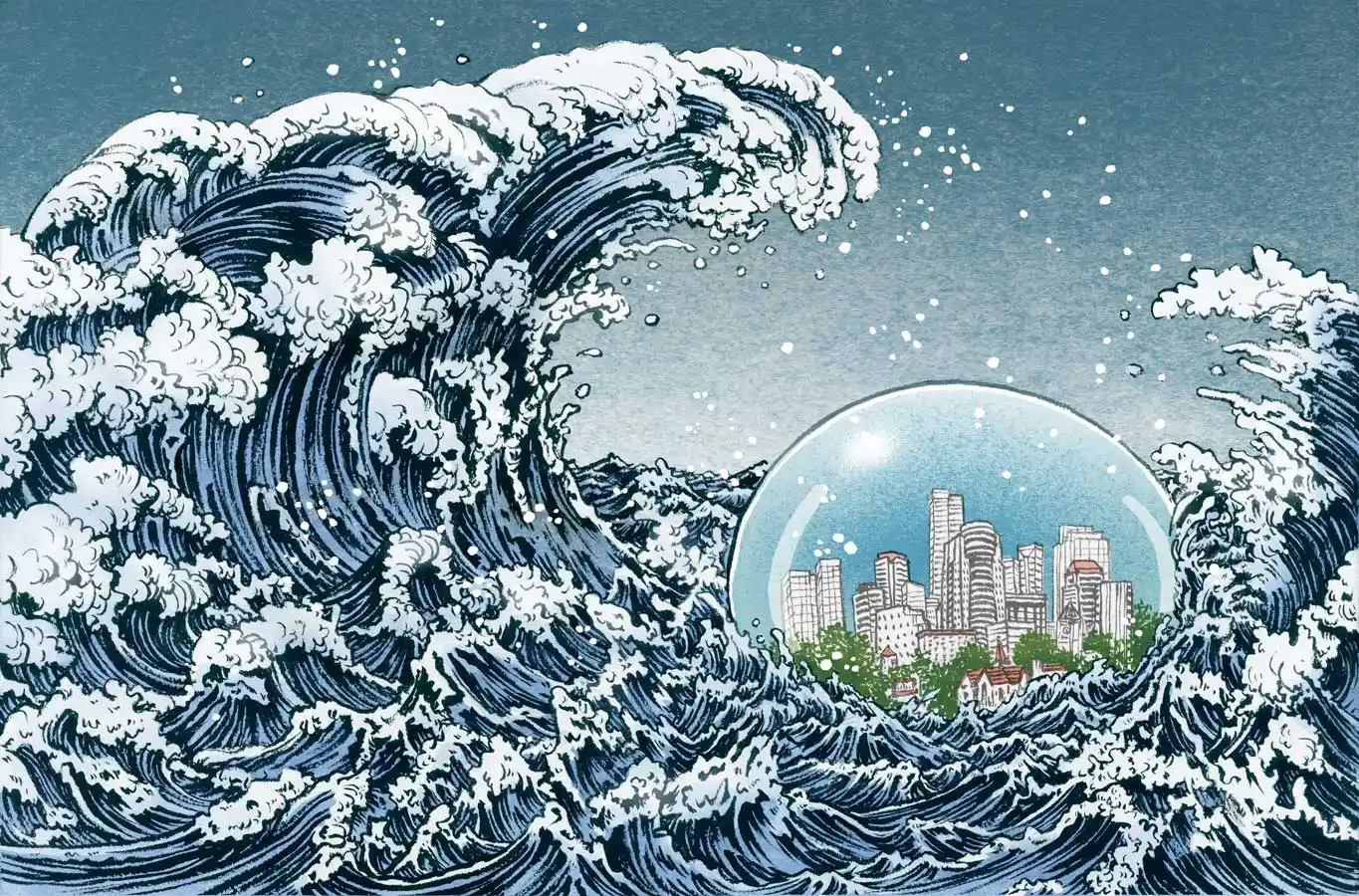
While science gives us the data and facts, art provides us a language through which to sense and react to them. Climate crisis can become distant and overwhelming, but art uniquely has the ability to render it immediate and personal. It shifts the discussion past charts and statistics, taking difficult information and turning it into an emotional experience that deeply resonates with individuals.
Art gives us a common ground with which to feel and understand. Through the force of a compelling image or an inciting installation, it allows us to confront what’s at stake—the beauty that we stand to lose and the future in our own hands. It’s an activist’s essential tool, with the power to initiate discussions, mobilize communities, and urge us toward action from mere awareness to mindful transformation.
The Work Continues
This online exhibition is not merely an anthology of artwork; it’s a dialogue in progress. The pieces you’ve witnessed here are a reflection of the ability of art to bring awareness, defy viewpoints, and make change possible. As we view the delicate interplay between nature and our destiny, we’re reminded that creativity and the human spirit are our greatest tools. We invite you to continue this discussion, to share these tales, and to find your own way of contributing to the essential work that continues long beyond these pages. This platform with research paper writer DoMyEssay turns complex requirements into polished essays, ensuring clarity, accuracy, and plagiarism-free content.